Unlocking Retention Secrets: The Influence of Deposit-Free Rewards on User Loyalty in UK's Mobile Casino Sector
Written by Paul Fischer · Aug 1, 2026
Unlocking Retention Secrets: The Influence of Deposit-Free Rewards on User Loyalty in UK's Mobile Casino Sector
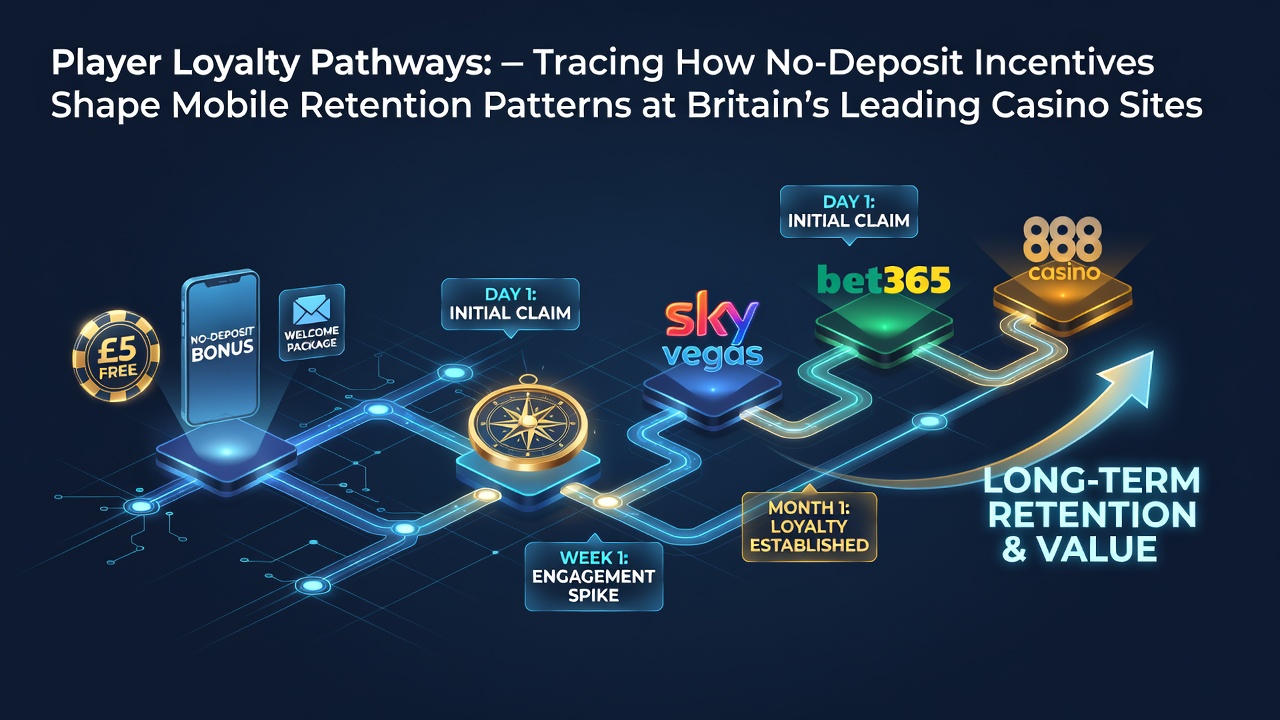
Data from multiple industry trackers shows that no-deposit incentives continue to play a measurable role in shaping how players move through mobile platforms at Britain's leading casino sites, and observers note clear patterns in how these offers affect initial engagement followed by longer-term retention cycles. Research indicates that operators deploy these bonuses as entry points that lower barriers for new users, while subsequent reward structures encourage repeated sessions across different game categories.
Studies conducted by academic groups have tracked player cohorts over six-month periods, and the results reveal that mobile users who claim no-deposit spins demonstrate higher session frequency in the first four weeks compared with those who begin through standard deposit routes. Those same datasets highlight that retention rates begin to diverge after the eighth week, with some segments showing sustained activity tied to progressive loyalty tiers rather than the initial offer alone.
Mapping Initial Engagement to Sustained Activity
Operators structure no-deposit pathways so that players receive free spins or small cash equivalents upon registration, and this approach allows immediate access to popular slot titles without financial commitment. Figures from platform analytics firms indicate that conversion from these free plays into deposited sessions occurs at rates between 18 and 27 percent depending on the operator's follow-up communication sequence. Mobile-specific data further shows that push notification timing and in-app reward reminders correlate with faster progression through early loyalty levels.
One analysis released in August 2026 by a European gaming research consortium examined over 120,000 mobile accounts across five major UK-facing sites, and the findings point to a consistent sequence where players who complete the first no-deposit round often unlock tier-one status within 48 hours. This early elevation then unlocks additional free plays or cashback percentages that keep the account active during subsequent weeks.
Device-Specific Retention Patterns
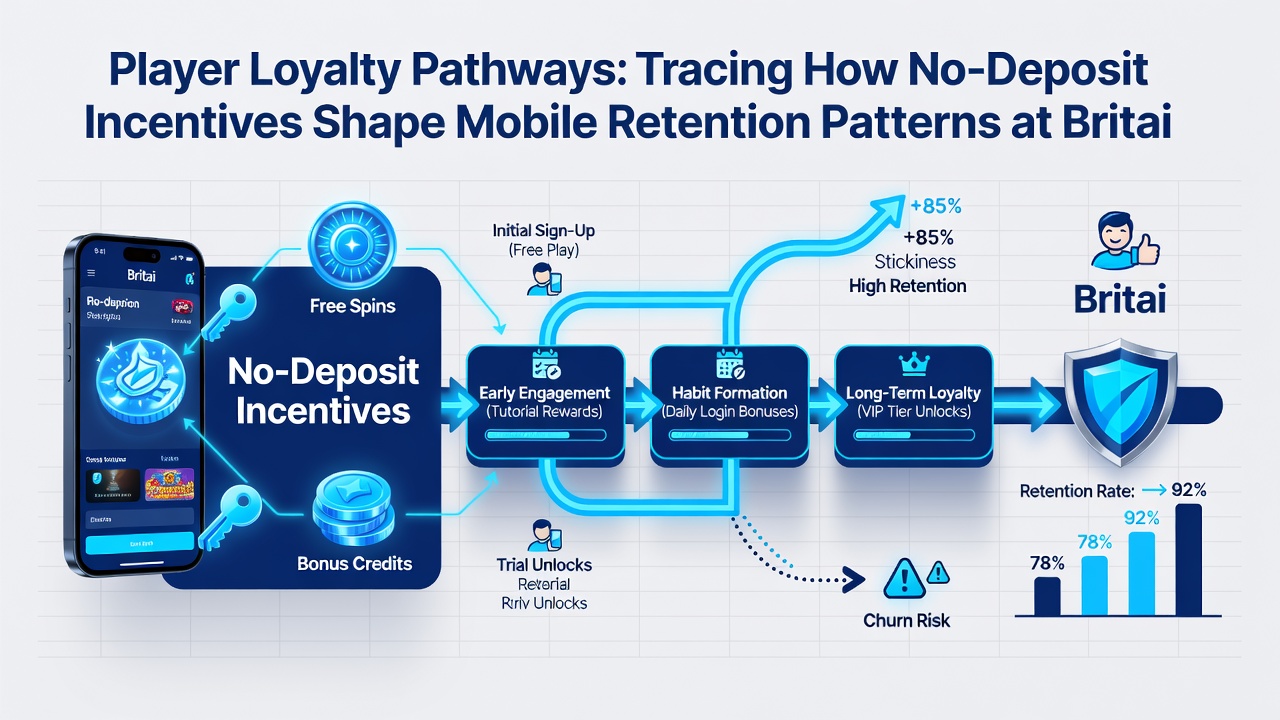
Platform logs collected across iOS and Android environments demonstrate that Android users exhibit slightly longer average session durations after claiming no-deposit offers, whereas iOS cohorts tend to return more frequently in shorter bursts. These differences appear linked to notification handling and background app refresh settings rather than the incentives themselves. Observers note that operators adjust their mobile optimisation strategies accordingly, tailoring reward visibility and redemption flows to each operating system.
Longitudinal tracking also reveals that players who combine no-deposit entry with later deposit matches show the strongest movement toward higher VIP tiers, and data points collected through August 2026 confirm that this combined pathway produces the most stable retention curves over a full calendar quarter. Separate segments that rely solely on recurring no-deposit offers display more variable activity, with noticeable drop-offs when promotional calendars shift.
Loyalty Tier Progression and Incentive Sequencing
Britain's major casino groups organise loyalty programmes into multiple ascending levels, each tied to specific play volume and frequency metrics. No-deposit incentives serve as accelerators that help new accounts reach the first two tiers more rapidly, and once players enter those levels they gain access to personalised reload offers and exclusive mobile events. Research from university-linked gaming institutes indicates that the speed of tier advancement directly influences the likelihood of continued mobile engagement six months later.
Operators have refined their sequencing so that the initial no-deposit reward feeds directly into a second-tier bonus that requires modest deposit activity, and this graduated structure appears designed to balance acquisition costs against long-term value. Platform metrics show that accounts reaching tier three within the first 90 days maintain activity rates approximately 40 percent higher than those remaining at entry level.
Conclusion
Available datasets and platform measurements demonstrate that no-deposit incentives function as structured gateways that shape early mobile behaviour and influence the pace at which players advance through loyalty frameworks at Britain's leading casino sites. Continued monitoring by independent research bodies will determine how these patterns evolve alongside regulatory adjustments and device technology changes through the remainder of 2026 and beyond.