Smartphone Routes Mapping Progressive Rewards for Table Games in Britain's Digital Casino Networks
Written by Sage Schulz · Jun 20, 2026
Smartphone Routes Mapping Progressive Rewards for Table Games in Britain's Digital Casino Networks
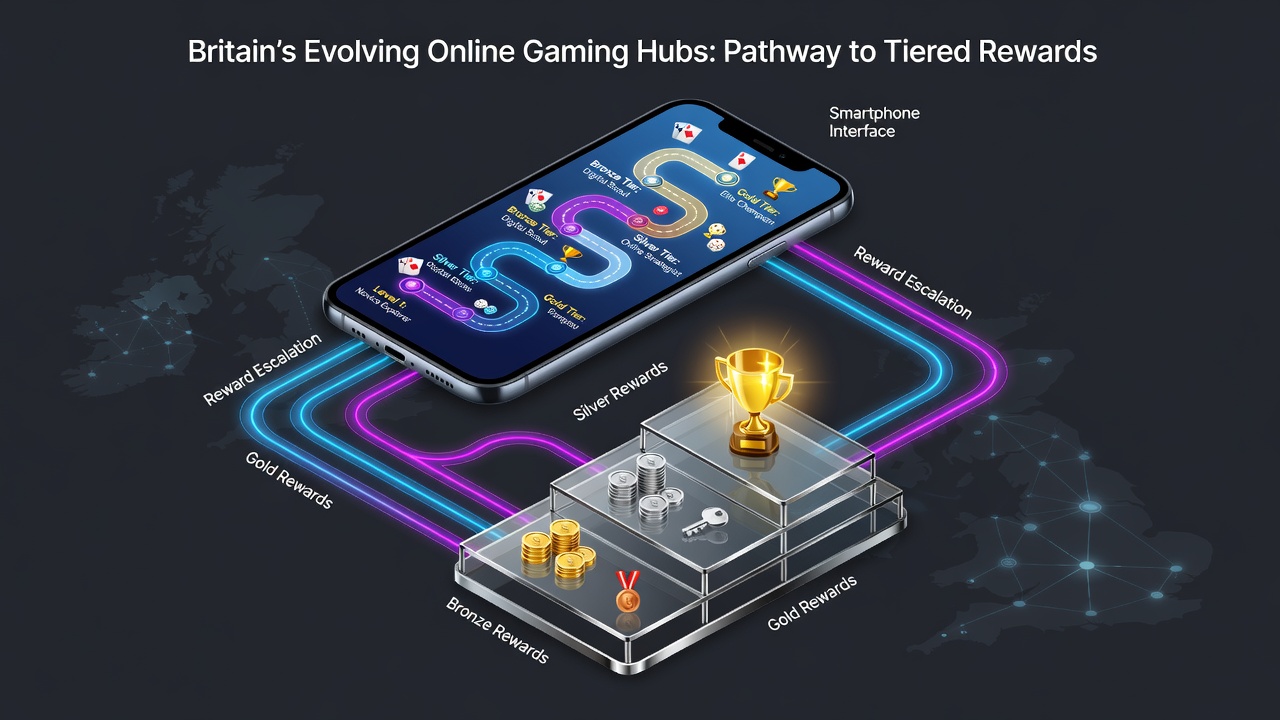
Britain's online gaming platforms have shifted focus toward mobile applications that guide users through structured pathways leading to tiered rewards specifically tied to table games such as blackjack, roulette and baccarat. These systems track player activity across sessions and assign levels based on participation metrics including hands played and average stake amounts. Observers note that smartphone interfaces now integrate real-time dashboards showing progress toward the next reward tier while incorporating location-based notifications when users approach physical venues connected to the same operator networks.
Data from industry reports indicate mobile sessions account for over 70 percent of table game activity on major platforms as of early 2026. Applications developed by operators allow seamless transitions between practice modes and live dealer environments, with tier advancement unlocking features like priority seating at virtual tables or access to higher-limit rooms. Researchers tracking usage patterns have identified that players who engage daily through dedicated apps reach mid-tier status 40 percent faster than those using desktop interfaces alone.
Mechanics Behind Mobile Tier Progression
Operators structure rewards in ascending brackets where each level grants incremental benefits tied directly to table game performance. Entry-level participants receive basic perks such as extended session timers while higher brackets include personalized strategy tools and exclusive tournament entries. Smartphone applications employ algorithms that log every decision point during play, feeding this information into loyalty engines that calculate tier eligibility without requiring separate registration steps.
One study released by a European gaming research consortium revealed that integrated mobile wallets facilitate instant reward redemption at table interfaces, reducing friction that previously caused players to abandon progression paths. These wallets sync across devices and display pending milestones in visual formats that update continuously during active sessions. By June 2026 several platforms introduced augmented reality overlays on smartphone cameras that highlight nearby table promotions when users scan casino floors in partnered land-based locations.
Integration With Broader Platform Ecosystems
Table game rewards operate within larger loyalty frameworks that connect mobile activity to cross-platform achievements. A player advancing through roulette tiers on a phone app might automatically qualify for poker event invitations hosted on connected sites. Industry associations in Australia have documented similar models where mobile tracking contributes to national player databases used for responsible gaming interventions and reward personalization.
External partnerships expand these pathways further. For instance, collaborations with payment processors enable tiered cashback structures applied specifically after table game milestones, while university-led analyses from Canadian institutions highlight how such integrations improve retention rates among mobile-first demographics. Observers point out that Britain's evolving hubs increasingly mirror these international approaches by embedding geofencing technology that activates bonus pathways when users enter designated zones.
Technical Features Driving Accessibility
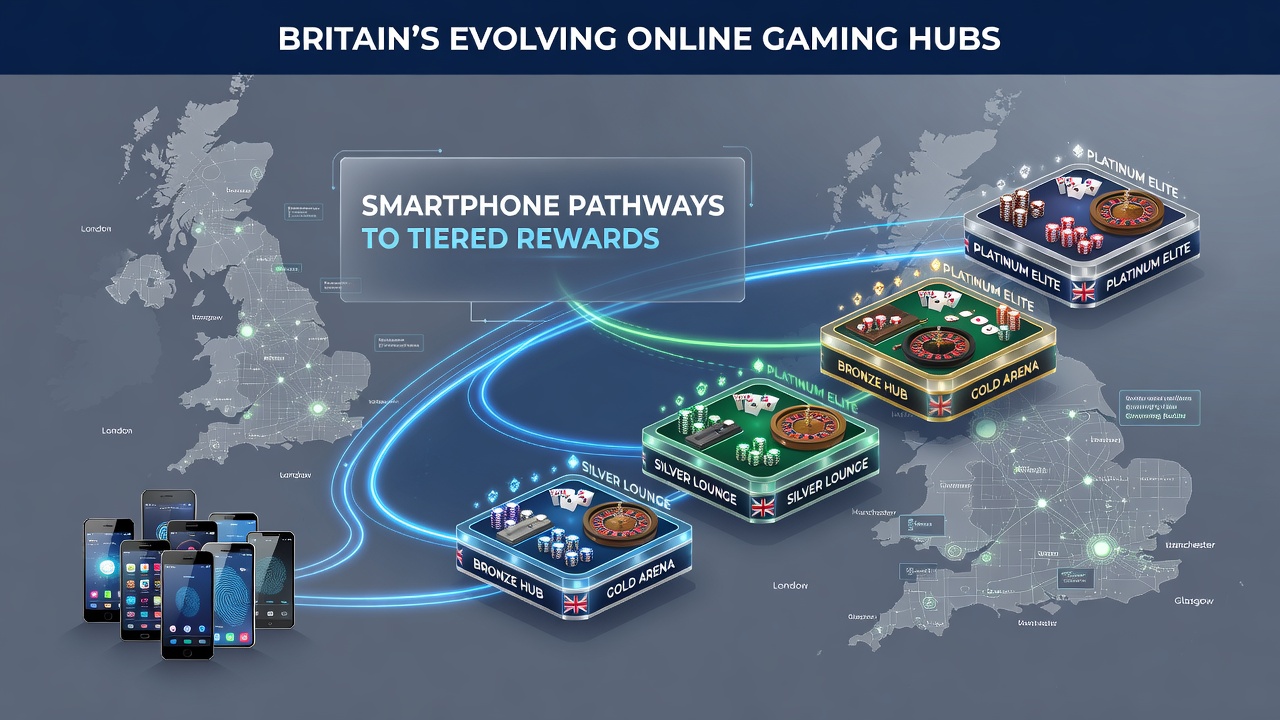
Modern smartphone applications incorporate biometric authentication that streamlines entry into tiered table environments while maintaining compliance with regional standards. Push notifications alert users to upcoming advancement opportunities based on historical play data, and cloud synchronization ensures progress remains intact across multiple devices. Figures from North American regulatory summaries show that platforms adopting these features experienced measurable increases in table game engagement during comparable transition periods.
Developers have also introduced modular interfaces allowing customization of reward dashboards according to individual preferences. Users select which metrics appear prominently, whether hands completed or time spent at specific table variants. This flexibility supports varied playing styles and helps maintain consistent progression even during shorter mobile sessions common among commuters and travelers.
Regional Comparisons and Emerging Standards
Across different jurisdictions operators adapt smartphone reward pathways to align with local requirements yet maintain core structures focused on table game tiers. European trade groups report that Britain's platforms lead in mobile notification sophistication while drawing from models tested in Asia-Pacific markets. These adaptations include language localization and currency handling that facilitate cross-border play without disrupting tier accumulation.
Academic papers published through Australian research networks emphasize the role of data analytics in predicting when players approach new reward thresholds, enabling proactive support measures. Such predictive tools appear in British applications through subtle interface cues rather than overt prompts, preserving user autonomy throughout the progression process.
Conclusion
Smartphone technology continues reshaping how participants navigate tiered rewards for table games within Britain's online gaming environment. Integrated tracking, real-time feedback and cross-device compatibility form the foundation of these systems, supported by data from multiple international sources including regulatory summaries and academic studies. As platforms refine these pathways through 2026 and beyond, mobile interfaces remain central to connecting daily play with long-term reward structures across evolving digital hubs.