Retention Mechanics Unpacked: Promo Code Triggers and Tiered Mobile Rewards Sustaining Engagement Across Britain's Licensed Casino Platforms
Written by Paul Fischer · May 23, 2026
Retention Mechanics Unpacked: Promo Code Triggers and Tiered Mobile Rewards Sustaining Engagement Across Britain's Licensed Casino Platforms
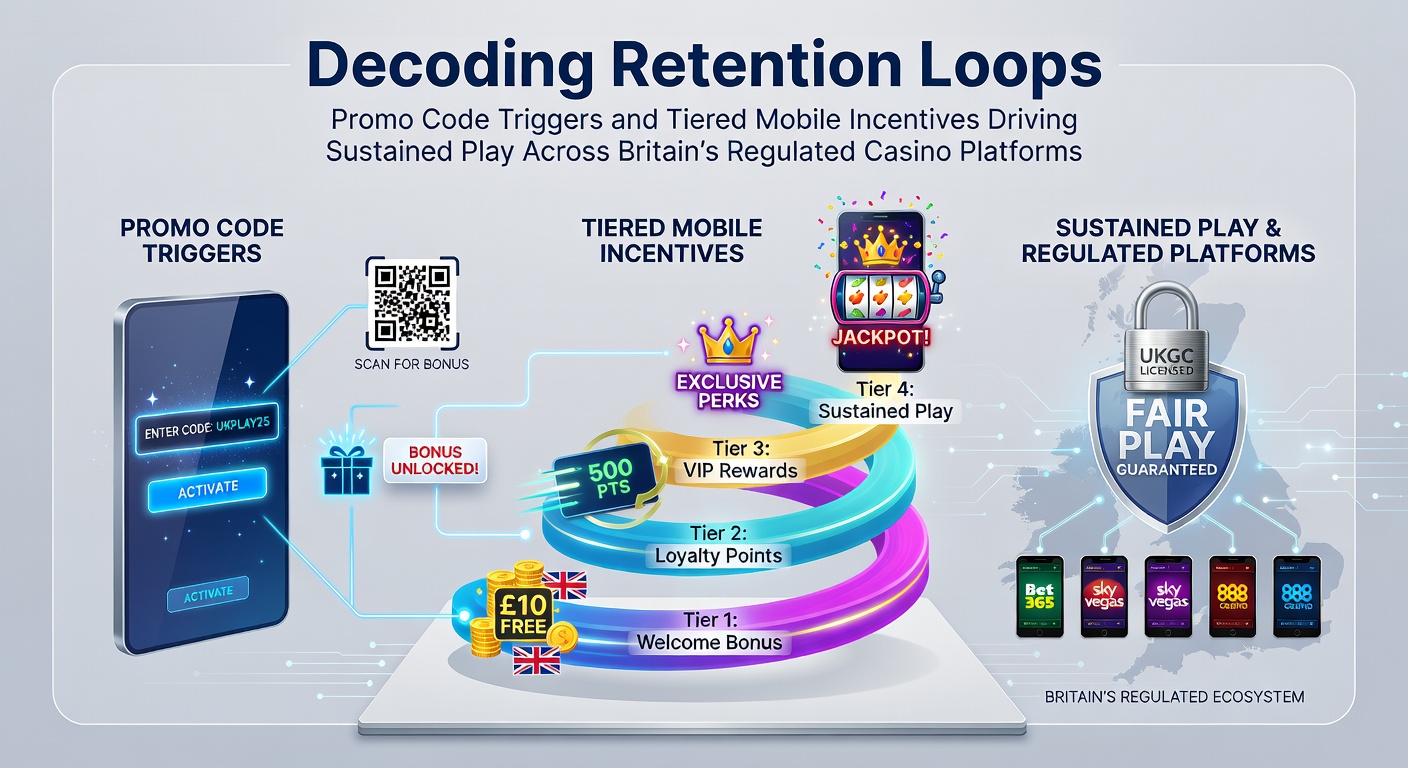
Operators across Britain's regulated casino sector deploy retention loops built around promo code triggers and tiered mobile incentives, and data from industry reports show these systems encourage repeated sessions rather than one-off visits. Players receive targeted codes via email or app notifications that unlock specific rewards when entered at set intervals, while mobile apps track activity to unlock progressive tiers with escalating benefits such as boosted cashback percentages or exclusive game access.
How Promo Code Systems Activate Player Return Cycles
Promo codes function as timed triggers that prompt users back into apps at predictable intervals, and operators structure these codes around deposit patterns or session milestones to create measurable re-engagement sequences. A code might appear after 48 hours of inactivity, offering matched credits valid only on mobile slots, and research from gaming analytics firms indicates such timed releases correlate with higher session frequency in the weeks following activation.
Studies tracking user behavior reveal that codes tied to specific game categories or time windows generate stronger repeat rates than generic offers, because the limitation creates urgency without violating platform rules. One analysis of UK-licensed apps found that players who redeemed mobile-exclusive codes returned an average of 2.3 times more often than those using desktop equivalents during the same tracking period.
Tiered Mobile Incentives and Progressive Reward Structures
Tiered systems assign players to levels based on cumulative mobile play metrics such as total wagers, login streaks, and bonus redemptions, with each tier unlocking additional incentives that scale in value. Lower tiers typically grant standard cashback rates and basic free spin bundles, whereas higher tiers introduce personalized multipliers, priority support access, and invitations to limited-time events hosted within the app.
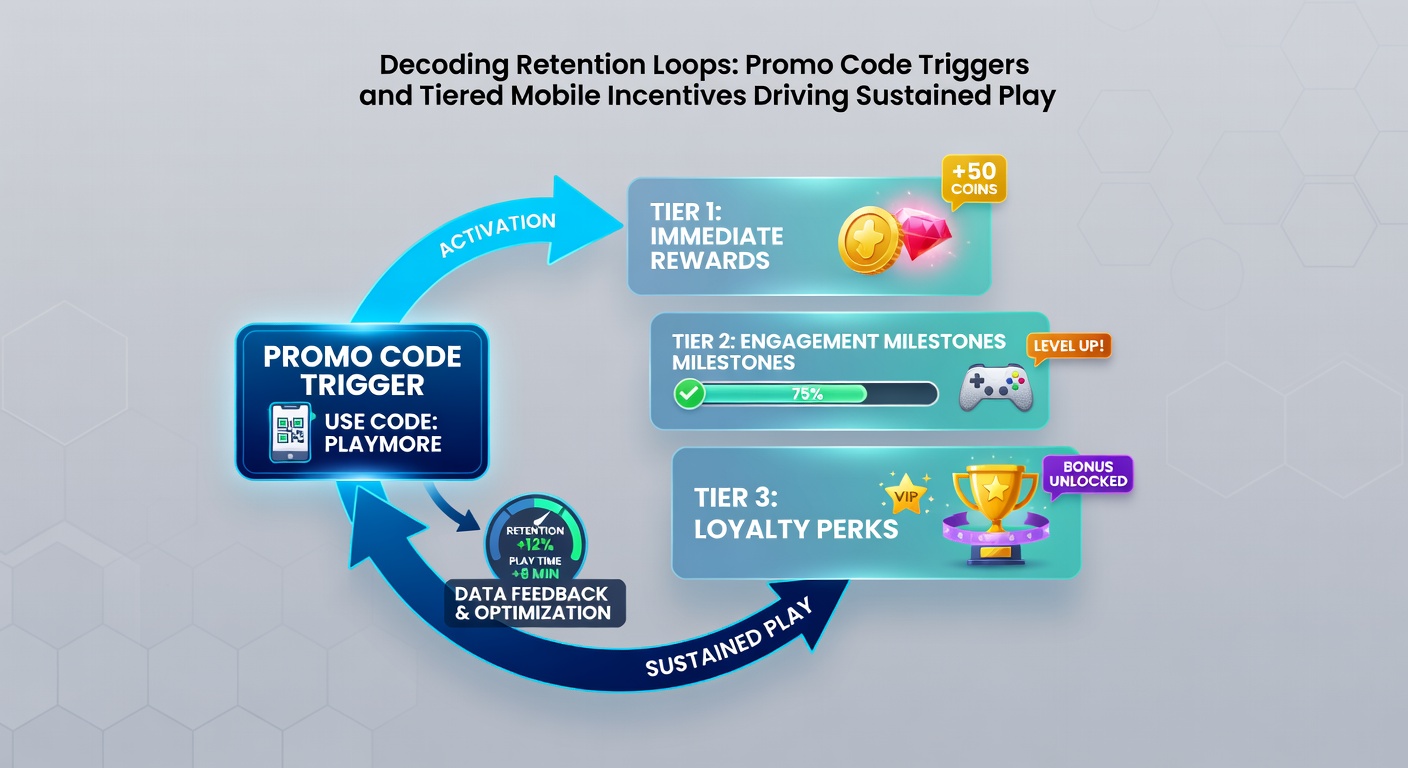
These ladders operate on monthly or quarterly resets that encourage consistent activity to maintain or advance status, and platform data indicates players near tier thresholds show elevated engagement in the final days of each cycle. Mobile notifications alert users when they approach the next level, and operators pair these alerts with limited promo codes that accelerate progression when used promptly.
Integration of Codes and Tiers in Daily Mobile Play Patterns
Retention loops gain strength when promo codes feed directly into tier progression, so redeeming a code not only delivers immediate value but also contributes toward the next reward bracket. Operators design mobile interfaces that display both current tier status and upcoming code opportunities on the same dashboard, reducing friction between reward types and sustaining longer play sessions.
External research published by the Responsible Gambling Council in Canada highlights how combined incentive models across multiple jurisdictions produce steadier engagement curves compared with single-mechanism approaches, and similar patterns appear in UK operator reports covering the first quarter of 2026. By May 2026 several platforms plan to introduce enhanced cross-tier code sharing that lets players apply rewards earned at one level toward faster advancement at the next.
Take the example of a mid-tier player who receives a weekly code for additional spins: each redemption adds points that push the account closer to the subsequent bracket, where cashback rates increase and new code categories become available. Observers tracking these journeys note that the overlap between code usage and tier movement creates self-reinforcing loops without requiring external prompts beyond initial onboarding.
Regulatory Context Shaping Incentive Design
British platforms must align these retention features with existing licensing conditions that govern bonus transparency and player communication, and operators adjust code validity periods and tier criteria accordingly. Figures from European gaming trade associations show that markets with clear disclosure rules maintain stable retention metrics while reducing disputes over expired or misunderstood offers.
Industry reports from the Australian Gambling Research Centre further demonstrate that tiered mobile programs incorporating clear eligibility rules achieve higher long-term participation rates across comparable regulatory environments. British operators incorporate similar clarity in their app flows, displaying remaining requirements for each tier alongside active code terms in a single view.
Measuring Sustained Play Through Retention Data
Analytics platforms record metrics such as day-one retention, weekly active users, and average revenue per user segmented by incentive type, and these datasets allow operators to refine code timing and tier thresholds. When a promo code triggers a measurable lift in seven-day return rates, teams replicate the pattern across additional player cohorts while adjusting tier benefits to match observed preferences.
One documented case involved a platform that shifted code distribution from email to in-app push notifications and recorded a 17 percent increase in same-week redemptions among mobile users. The change also accelerated tier movement for participants who previously missed time-sensitive offers, illustrating how delivery method influences the effectiveness of the overall retention loop.
Conclusion
Promo code triggers combined with tiered mobile incentives form structured retention systems that operators in Britain's regulated casino sector refine through ongoing data analysis. These mechanisms link immediate rewards with longer-term progression, producing measurable patterns of sustained play across licensed platforms. External studies from varied regulatory regions continue to inform design choices that balance engagement goals with compliance requirements.