Progressive Challenges Driving Personalized Rewards Across Leading British Casino Applications
Written by Sage Schulz · May 30, 2026

Progressive Challenges Driving Personalized Rewards Across Leading British Casino Applications
Britain's leading casino applications continue to integrate progressive challenges that adapt reward structures based on individual player patterns and milestones, creating pathways that shift from basic entry tasks to complex sequences involving multiple game types and time-bound objectives. These systems track metrics such as session duration, game variety, and achievement streaks, then adjust bonus allocations accordingly while operators refine their mobile platforms to handle increased data processing demands.
Mechanics Behind Adaptive Challenge Systems
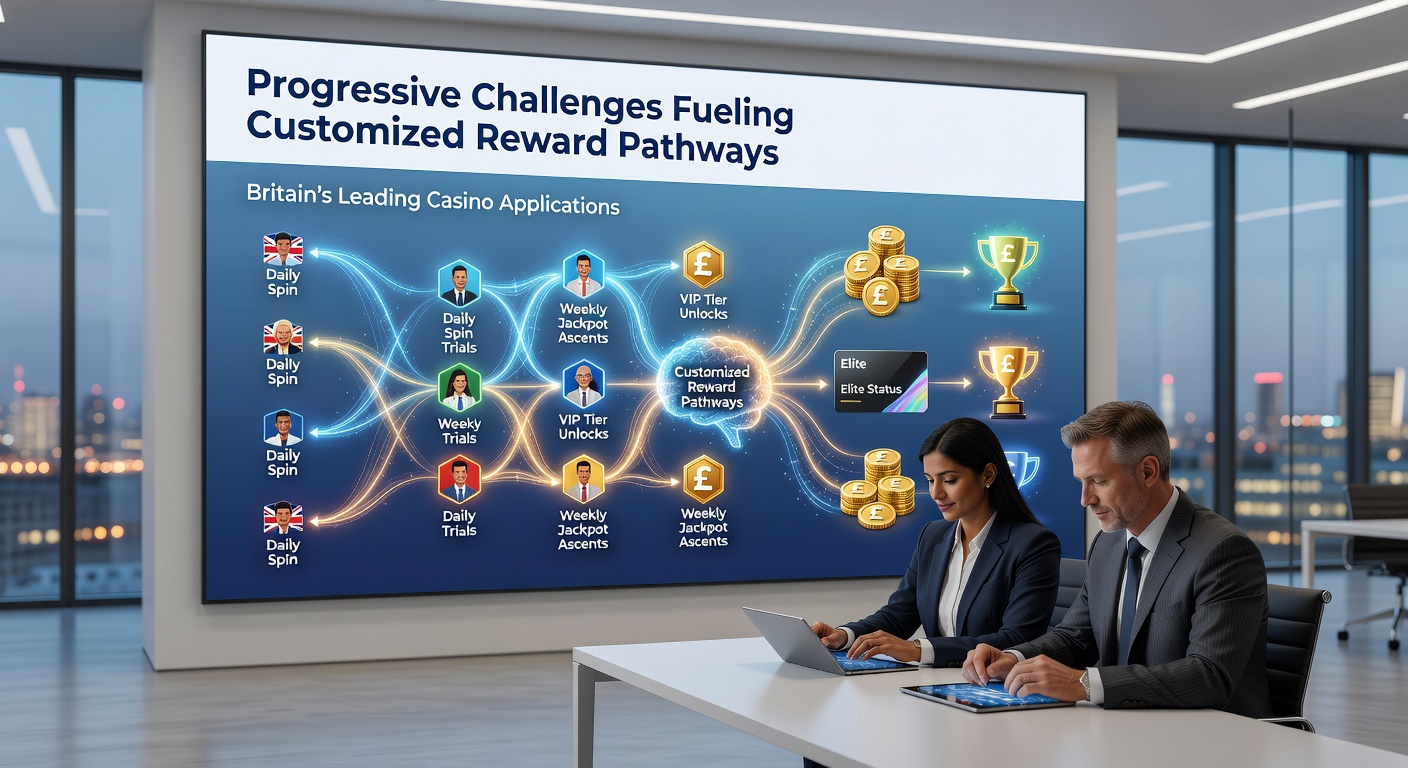
Developers design challenge frameworks where players complete initial tasks like spinning specific slot volumes or reaching set win thresholds, after which the application unlocks subsequent stages with modified parameters such as adjusted wagering multipliers or access to exclusive live dealer tables. Data from platform analytics shows these layered structures maintain engagement across daily and weekly cycles, with algorithms reallocating rewards in real time based on completion rates recorded within each user's profile. Operators report that integration of machine learning elements allows the pathways to diverge for different segments, directing high-frequency users toward loyalty tiers while routing casual participants through introductory sequences that emphasize free spin accumulations.
Regional Comparisons and Platform Adaptations
Similar gamification approaches appear in applications licensed across multiple jurisdictions, where British operators draw from models tested in other markets to refine their own implementations. According to reports from the European Gaming and Betting Association, several UK-based apps now incorporate cross-game progressions that link slot challenges with table game objectives, resulting in reward packages that combine cashback percentages with merchandise redemptions. These adaptations align with broader industry shifts, as mobile traffic continues to dominate session volumes and developers prioritize seamless transitions between challenge stages without requiring additional downloads or external redirects.
What's interesting here involves the way completion data feeds back into customization engines, allowing pathways to shorten or extend depending on aggregate user responses observed during peak evening hours. Observers note that applications handling large user bases often segment challenges by geographic indicators within Britain, adjusting prize pools to reflect regional preferences documented through transaction histories.
Integration of May 2026 Updates in Reward Algorithms
As preparations advance toward May 2026, several applications plan incremental updates that expand challenge categories to include collaborative elements where multiple users contribute toward shared milestones, unlocking group-based rewards distributed proportionally. These modifications build on existing architectures by incorporating additional data points from social features already embedded in the apps, such as friend referral tracking and leaderboard positions. Research indicates that such expansions help sustain long-term participation, particularly among users who have progressed through earlier tiers and seek renewed objectives tied to seasonal events or limited-time promotions.
Platform teams have begun testing beta versions that synchronize challenge progress across devices, ensuring continuity when users switch between tablets and phones mid-session. Data shows these features reduce drop-off rates at intermediate stages, while operators monitor compliance requirements that take effect around the same period to maintain operational standards across all reward distributions.
Player Journey Mapping and Data Utilization
Analysts map typical progression routes by examining sequences where users advance from basic deposit-linked challenges to advanced VIP invitations, with each step generating metrics that refine future pathway recommendations. Those who've studied retention patterns find that applications offering branching options at key decision points achieve higher completion percentages compared to linear formats, as players select routes aligned with preferred game categories. Figures from internal platform reviews reveal that reward customization based on these journeys correlates with increased repeat logins, especially when challenges incorporate variable difficulty settings adjusted according to historical performance data.
Industry organizations such as the Canadian Gaming Association have published comparative studies highlighting how British applications adapt similar techniques to local regulatory environments, emphasizing transparent display of challenge requirements and reward values within app interfaces. This transparency supports user navigation through increasingly intricate pathways without external guidance.
Conclusion
Progressive challenges continue to influence how leading British casino applications structure their reward systems, with ongoing refinements driven by user data and scheduled platform updates. The mechanisms described demonstrate consistent patterns across multiple operators, where adaptive pathways respond to engagement signals and prepare for forthcoming changes around May 2026. These developments reflect broader technical and operational adjustments within the sector, maintaining focus on individualized progression while adhering to established compliance frameworks.