Mobile Interfaces Reshaping Incentive Structures in Britain's Digital Gaming Spaces
Written by Devon Vogel · Jul 1, 2026

Mobile Interfaces Reshaping Incentive Structures in Britain's Digital Gaming Spaces
Britain's digital gaming platforms have seen mobile usage climb steadily through 2025 and into 2026, with accessibility features now playing a central role in how operators structure rewards and engagement tools. Touch-friendly navigation, screen-reader compatibility, and adjustable contrast modes have moved from optional add-ons to core requirements that directly shape the timing, format, and delivery of player incentives.
Data from industry reports indicate that more than 70 percent of sessions on major UK-licensed sites occur on smartphones or tablets, prompting developers to redesign bonus triggers around mobile-specific behaviors such as swipe gestures and push-notification responses. These changes create incentive models that activate more readily when users engage through accessible mobile pathways rather than desktop interfaces.
Accessibility Standards Guiding Platform Updates
Operators align mobile interfaces with international guidelines that emphasize perceivable content, operable controls, and understandable information flows. When these standards are met, platforms gain flexibility to introduce tiered rewards that respond to real-time usage patterns, including shorter session lengths common on mobile devices. One study released in early 2026 highlighted how venues incorporating voice-command options recorded higher completion rates for deposit-match sequences compared with sites lacking such features.
July 2026 brought further attention to these adaptations when several major operators released updated apps featuring enhanced haptic feedback for jackpot alerts and simplified menu structures for players with motor impairments. Such refinements allow incentives like loyalty points or free-round allocations to be claimed through fewer taps, reducing friction that previously deterred mobile users from progressing through reward ladders.
Incentive Formats Tailored to Mobile Behaviors
Push notifications now serve as primary delivery mechanisms for time-sensitive offers, with accessibility settings determining whether alerts include text-to-speech summaries or visual icons. Venues track which notification styles yield the highest engagement and adjust future promotions accordingly, creating feedback loops that favor mobile-optimized designs. Research from the Canadian Centre on Substance Use and Addiction has shown that clear, concise mobile messaging correlates with sustained participation across digital gaming environments.
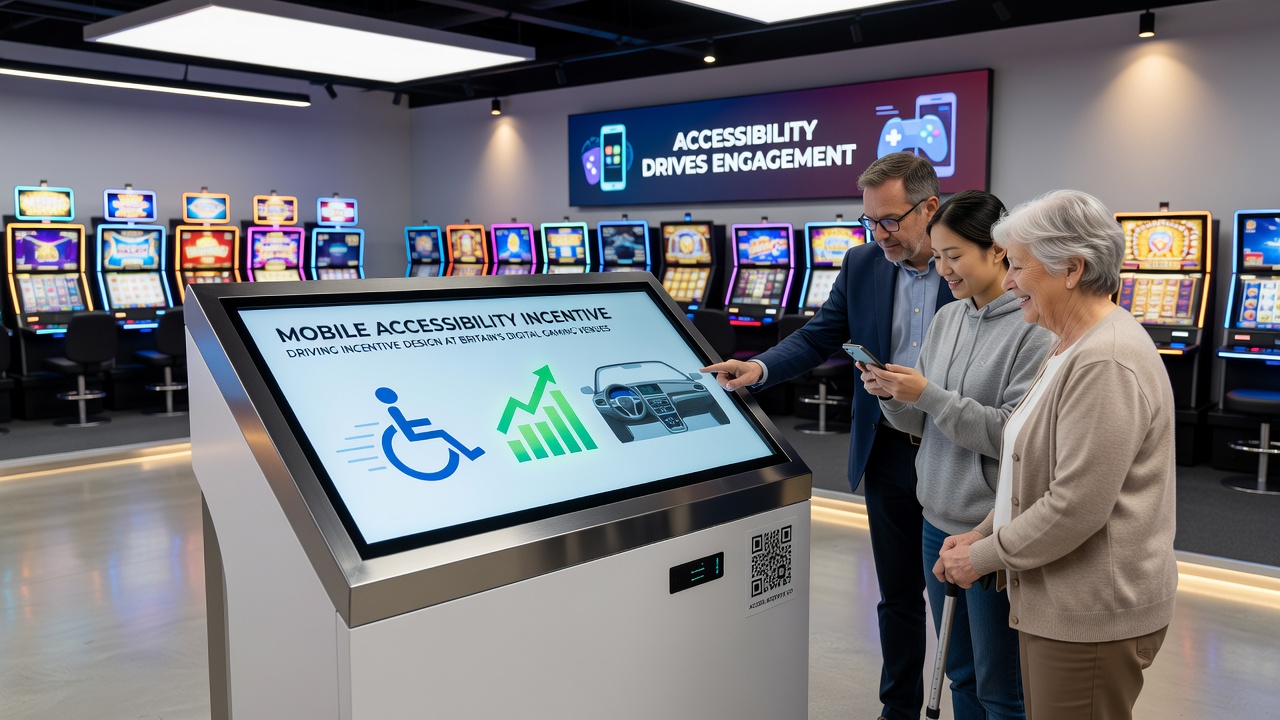
Layered reward systems have emerged as a direct response to mobile accessibility data. Players who enable high-contrast modes or reduced-motion settings often receive alternative incentive paths, such as extended claim windows or simplified wagering trackers. These adjustments reflect aggregated usage statistics rather than individual targeting, maintaining compliance while improving retention across diverse user groups.
Data Patterns Influencing Reward Timing
Analytics platforms reveal that accessible mobile sessions tend to cluster during commute hours and late evenings, leading operators to schedule flash incentives during those windows. A 2025 report prepared for the Australian Communications and Media Authority documented similar timing shifts in comparable markets, where mobile-first reward releases produced measurable upticks in active accounts. British venues apply these insights by aligning bonus availability with peak mobile traffic, often embedding accessibility toggles directly into the reward claim flow.
Progressive loyalty structures also incorporate mobile accessibility metrics. Completion badges or milestone credits appear more frequently when users interact via compliant interfaces, encouraging broader adoption of features like scalable text sizing and alternative input methods. Observers note that this approach distributes incentives more evenly across device types while preserving overall program economics.
Integration with Broader Regulatory Developments
Policy updates across Europe have reinforced the link between accessibility compliance and promotional design. Venues that demonstrate robust mobile support can present a wider range of engagement tools without additional review hurdles. This regulatory environment encourages continuous refinement of both interface elements and the incentive frameworks built around them.
Conclusion
Mobile accessibility has become an embedded driver of incentive architecture across Britain's digital gaming venues. Platforms that prioritize operable controls, clear notifications, and adaptive layouts generate reward systems that activate more efficiently and reach wider audiences. Continued alignment with international standards alongside usage analytics will likely sustain these design patterns through subsequent platform iterations.