Data Synchronization in Action: Tiered Spin Allocations Powered by Analytics in Britain's Mobile Casinos
Written by Devon Vogel · Aug 10, 2026
Data Synchronization in Action: Tiered Spin Allocations Powered by Analytics in Britain's Mobile Casinos
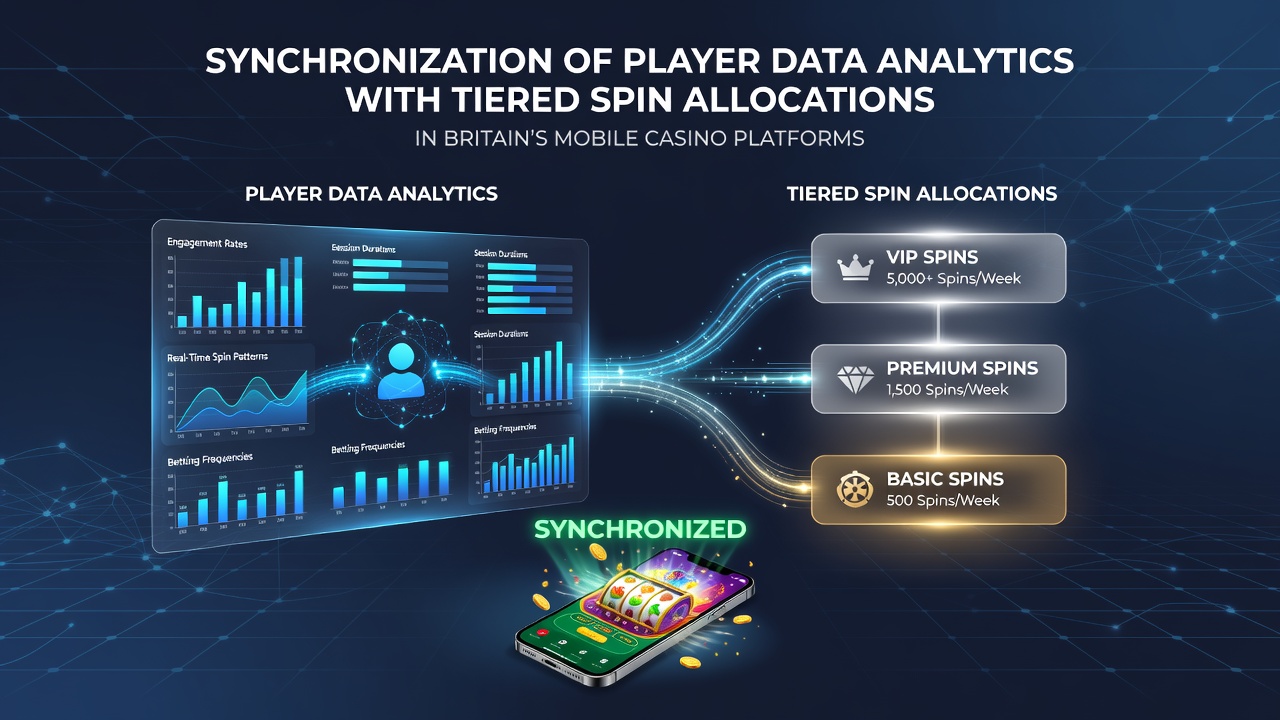
Player data analytics now drive tiered spin allocations across Britain's mobile casino platforms, where operators connect behavioral metrics directly to reward structures that adjust in real time. Systems track session length, deposit frequency, game preferences, and engagement patterns, then feed those inputs into algorithms that assign free spins according to tier levels ranging from entry-level access to premium VIP benefits. This integration allows platforms to allocate spins proportionally, so higher-tier players receive larger volumes while lower-tier accounts receive targeted incentives designed to encourage progression.
Core Mechanisms Behind Data and Allocation Alignment
Operators collect data points through mobile apps that record every interaction, from spin duration to bet sizing, then process those streams through centralized analytics engines that update tier status hourly or daily depending on the platform. Research from the Gambling Research Exchange Ontario shows that synchronized systems reduce manual oversight by 40 percent while increasing allocation precision, because algorithms match spin grants to verified activity thresholds rather than static schedules. Platforms segment users into tiers based on lifetime value calculations, where metrics such as average bet size and retention streaks determine eligibility for enhanced spin packages that scale automatically as players move upward.
August 2026 saw several major operators roll out updated synchronization protocols that link mobile telemetry with loyalty engines in a single pipeline, allowing spin allocations to reflect both recent activity and historical patterns without separate review steps. These updates rely on cloud-based data warehouses that pull information from iOS and Android sessions simultaneously, ensuring tier adjustments remain consistent across devices while spin credits appear instantly in player accounts once thresholds are met.
Platform Implementation Patterns Across Major Operators
British mobile casino operators have adopted varied approaches to synchronization, with some embedding analytics directly into game servers and others routing data through separate business intelligence layers before feeding results back into reward modules. One established operator integrated its spin allocation engine with a third-party analytics suite that processes over 2 million daily events, enabling tier-based spin grants to update within seconds of a qualifying deposit or play session. Another platform uses predictive modeling to forecast when a player might reach the next tier, then pre-allocates a portion of spins as an engagement nudge, a tactic that data from industry reports indicates lifts progression rates by measurable margins.

Smaller platforms often partner with white-label providers that supply pre-built synchronization tools, allowing them to apply tier rules without maintaining custom codebases. These tools pull data from unified player profiles that combine mobile usage logs with transaction histories, then apply tier multipliers to spin quantities so that a mid-tier account might receive 25 spins on a featured slot while a top-tier account receives 150 on the same title. Observers note that this standardization helps maintain compliance across different regulatory environments while still permitting operators to tailor visuals and game selections per tier.
Technical Requirements and Data Flow Structures
Synchronization depends on secure API connections that transmit anonymized player identifiers alongside activity summaries, ensuring spin allocations occur without exposing personal details beyond what is required for verification. Data pipelines typically include real-time streaming layers that capture events as they happen and batch processing layers that recalculate tier standings overnight, creating a dual-track system that balances immediacy with accuracy. According to findings published by the European Gaming and Betting Association, platforms employing dual-track synchronization report fewer allocation errors and higher player satisfaction scores because discrepancies between expected and received spins decline significantly.
Mobile-specific considerations include handling variable network conditions, so many operators cache tier status locally on devices and reconcile with server data when connections stabilize, preventing spin grants from being delayed during travel or signal fluctuations. Encryption standards protect the flow of analytics between app and backend, while audit logs record every allocation decision to support internal reviews and external examinations.
Conclusion
Britain's mobile casino platforms continue to refine the connection between player data analytics and tiered spin allocations through incremental technical upgrades and expanded data sources. The patterns established by mid-2026 indicate that operators will maintain focus on real-time synchronization while exploring additional inputs such as device type and session context to further customize allocations. These developments rest on established data practices that prioritize measurable activity over manual intervention, creating a framework where spin rewards scale directly with verified engagement across all player tiers.