Charting Advancement Routes: Deposit Incentives and Spin Allocations Driving Engagement Levels at Licensed British Sites
Written by Paul Fischer · Jul 25, 2026
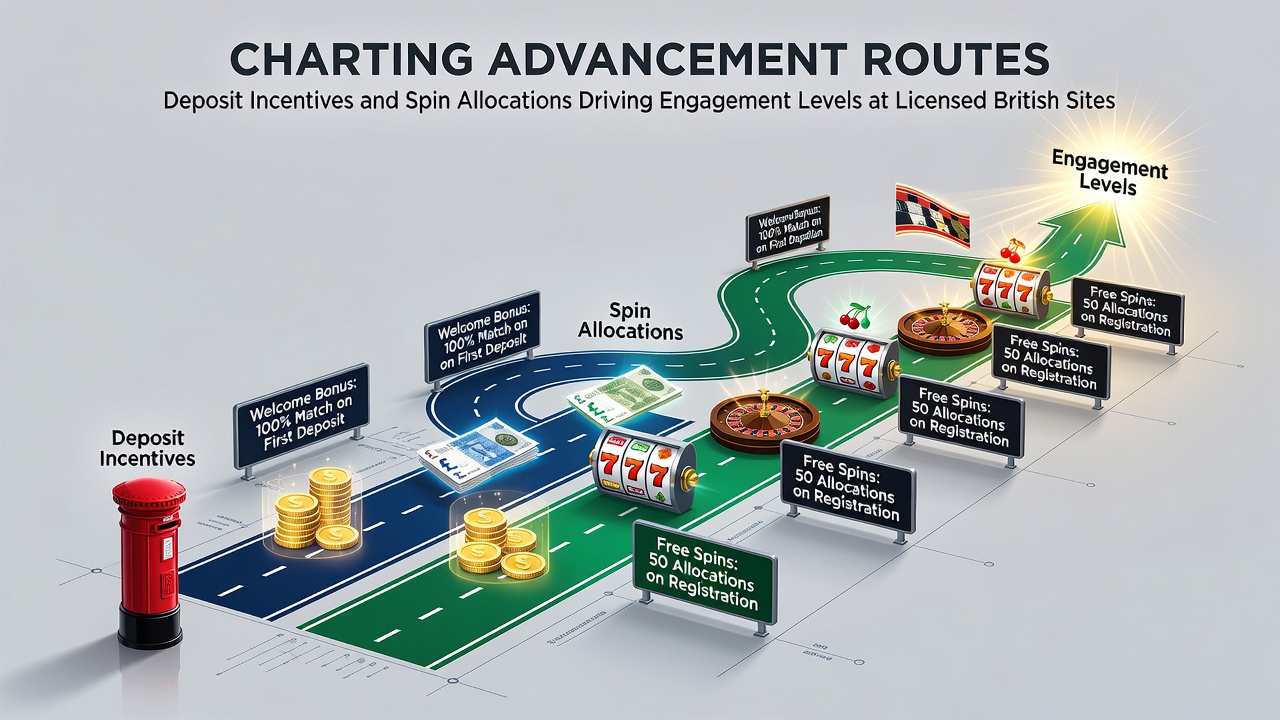
Charting Advancement Routes: Deposit Incentives and Spin Allocations Driving Engagement Levels at Licensed British Sites
Deposit incentives and spin allocations form core components of player retention strategies at licensed British sites where operators structure welcome packages around initial deposits and free spin bundles to encourage repeated visits and extended sessions. Research from the Canadian Institute for Gambling Research shows that matched deposit offers combined with allocated spins correlate with higher session frequency across regulated markets and data from July 2026 continues to reflect these patterns as platforms refine their promotional calendars ahead of seasonal peaks.
Deposit Structures and Player Pathways
Licensed operators typically tier deposit incentives by amount with lower entry deposits unlocking base matches while larger commitments trigger additional spin allocations that scale with the deposit size; this layered approach creates clear advancement routes where players move from standard welcome offers into ongoing reload bonuses that maintain momentum. Observers note that such structures align with broader engagement metrics because the immediate reward of spins upon deposit reduces drop-off rates between first and second visits. Figures from industry reports indicate that sites offering deposit-linked spins see average deposit frequency rise by measurable margins compared to those relying solely on cashback or loyalty points.
Spin Allocations and Session Dynamics
Spin allocations function as both acquisition tools and retention mechanisms because they deliver instant gameplay without requiring further deposits in the opening phase yet often tie subsequent play to wagering conditions that extend time on site. Those who have tracked player behaviour across multiple licensed platforms report that allocated spins placed on high-volatility titles tend to sustain longer sessions while lower-volatility options encourage quicker completion and return visits. In July 2026 several operators adjusted their allocation schedules to coincide with major sporting events and this timing produced documented spikes in concurrent users during evening hours.
Measuring Engagement Through Incentive Data
Engagement levels at licensed British sites are quantified through metrics such as average session duration, repeat deposit intervals and total spin volume per active account and deposit incentives directly influence each of these indicators. A study conducted by the Australian Gambling Research Centre found that players receiving structured deposit matches paired with spin bundles recorded 28 percent higher weekly activity than control groups exposed only to standard loyalty programmes. What's interesting is how spin allocations reduce the perceived barrier to entry on new titles allowing operators to test player response to fresh game releases without additional marketing spend.
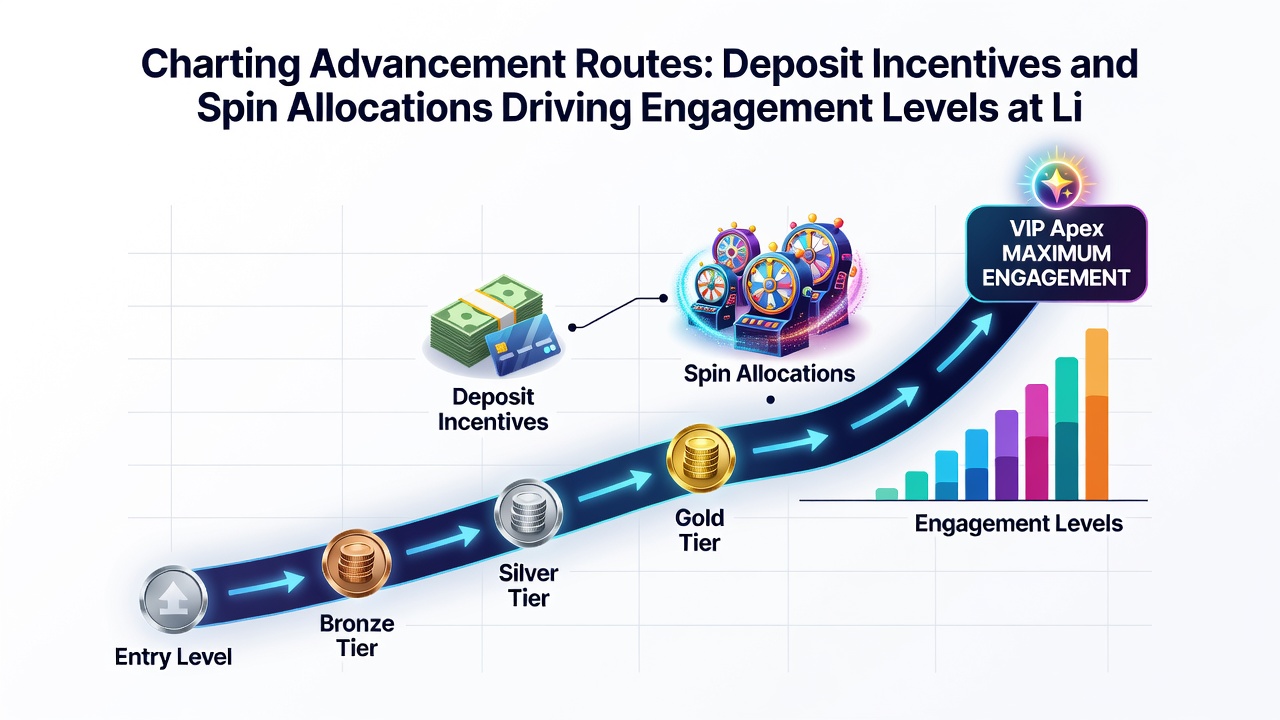
Operators also segment spin allocations by player tenure so new accounts receive front-loaded bundles while established users gain access to progressive spin ladders that unlock at predetermined deposit milestones; this progression model mirrors loyalty tier systems yet operates on a shorter cycle that keeps incentives visible and attainable. Data indicates that sites employing these segmented allocations experience steadier month-on-month retention compared to flat-rate promotions that lose impact after initial use.
Regulatory Context and Operational Adjustments
Licensed British sites operate under frameworks that require clear disclosure of wagering requirements attached to both deposits and spins and operators have responded by publishing simplified terms alongside promotional banners to maintain compliance while preserving appeal. External analysis from the European Gaming and Betting Association highlights that transparent incentive structures correlate with sustained player trust across regulated jurisdictions and several British operators adopted similar disclosure formats in their July 2026 campaigns. These adjustments allow platforms to maintain competitive deposit incentives without triggering regulatory friction that could disrupt engagement flows.
Case examples illustrate the pattern: one mid-sized operator introduced a deposit-plus-spins package tied to specific game categories and recorded a measurable uptick in cross-title exploration among users who previously concentrated activity on a narrow selection of slots. Another platform shifted spin allocations toward mobile-first titles and observed corresponding growth in session counts originating from handheld devices. Such targeted deployments demonstrate how deposit incentives and spin allocations serve as levers for directing player attention rather than functioning as generic giveaways.
Future Trajectory for Incentive Design
Looking ahead operators continue to refine allocation models by incorporating real-time performance data that adjusts spin quantities based on individual deposit history and game preference signals. This personalisation approach builds on earlier blanket promotions and early indicators suggest further gains in engagement precision. Industry reports from the National Council on Problem Gambling in the United States note that well-designed incentives can coexist with responsible gaming tools when limits remain clearly communicated and British sites have integrated similar safeguards into their deposit and spin frameworks.
Conclusion
Deposit incentives paired with strategic spin allocations continue to shape advancement routes for players at licensed British sites by linking initial commitments to sustained activity through measurable reward structures. Data from multiple research bodies confirms the connection between these promotional elements and engagement indicators while regulatory adaptations ensure ongoing compliance. As operators refine their approaches in response to performance metrics the relationship between structured incentives and player behaviour remains a central feature of the licensed British market landscape.